

Morning, Midday, and Evening Routines
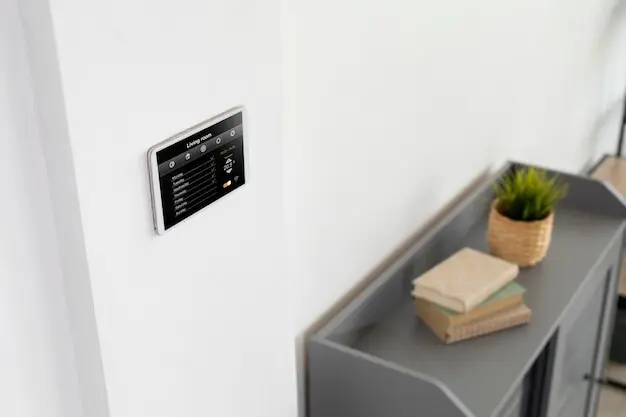
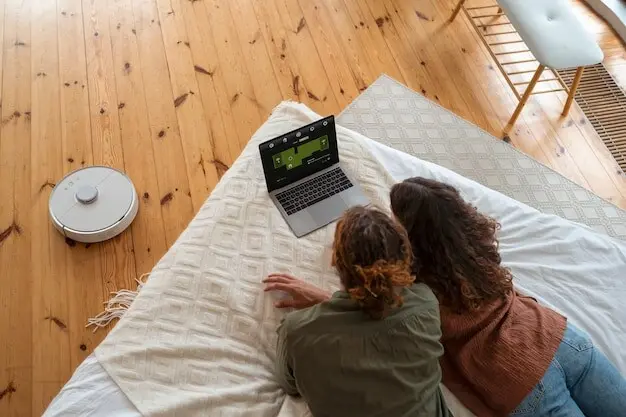
Cluster vacuuming, hammering, or furniture moving mid-morning, reserving late afternoons for lighter tasks. Evenings invite softer activities: preparing tomorrow’s clothes, reading, or crafting with felt instead of metal tools. Add automation—smart plugs or timers—to prevent machines from running past agreed hours if you forget, travel, or get distracted.
Hosting Without Disturbing Sleepers
Set a gentle end time, share a friendly noise reminder, and move chairs on felt sliders. Favor playlists with lower bass, use coasters to soften glass taps, and close windows facing courtyards. Let guests know stairwells echo dramatically, encouraging soft goodbyes. Follow up tomorrow with thanks, checking neighbors felt respected.
Travelers and Tenants: Short Stay Courtesy
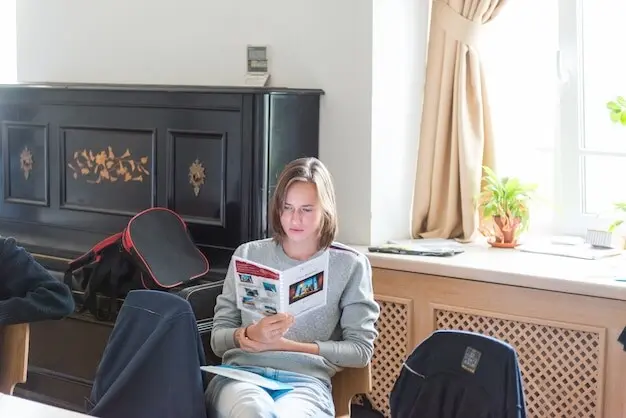
If you host visitors, provide a clear quiet-hours guide, slippers, and a small rug for suitcases. Encourage rolling wheels gently and closing doors slowly. For new tenants, include a neighborhood noise map—playgrounds, cafés, tram lines—so expectations align, and friendly practices begin before the first late-night load of laundry.